- Developer
- TrampolineTales
- Installs
- 1K+
- Downloads
- 0
- Views
- 4
- Updated
- Oct 25, 2026
Screenshots
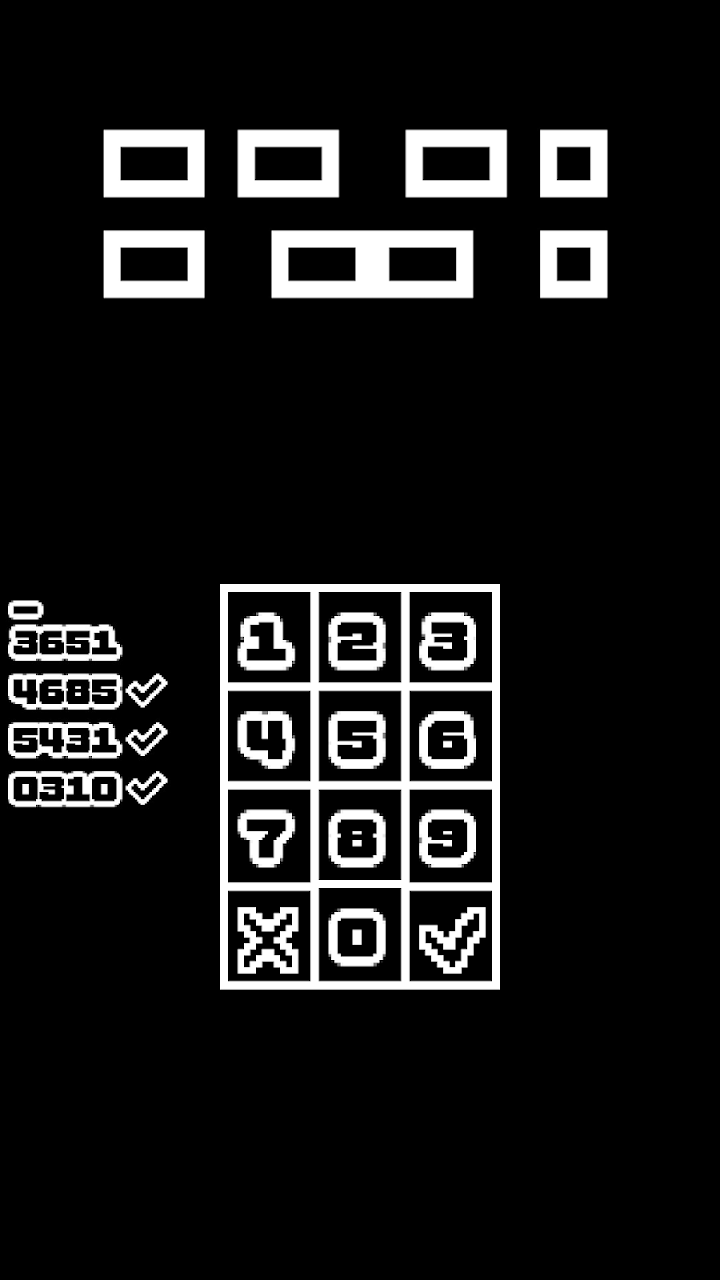
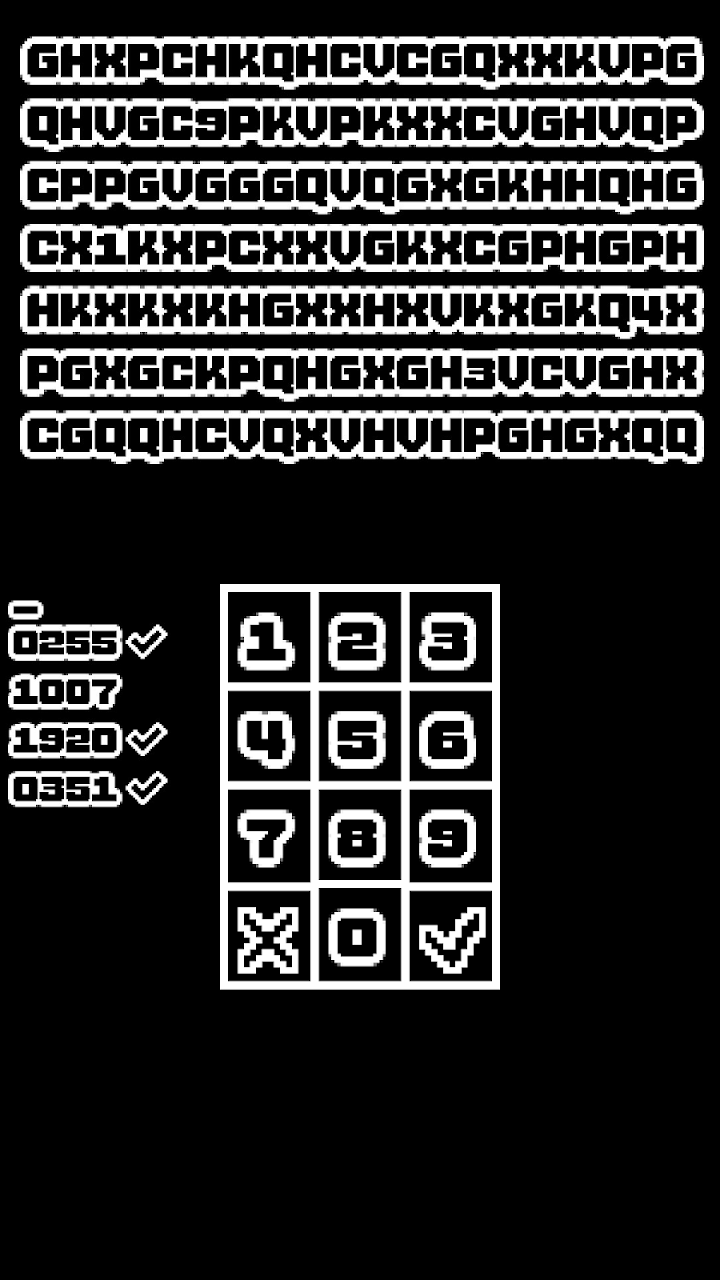
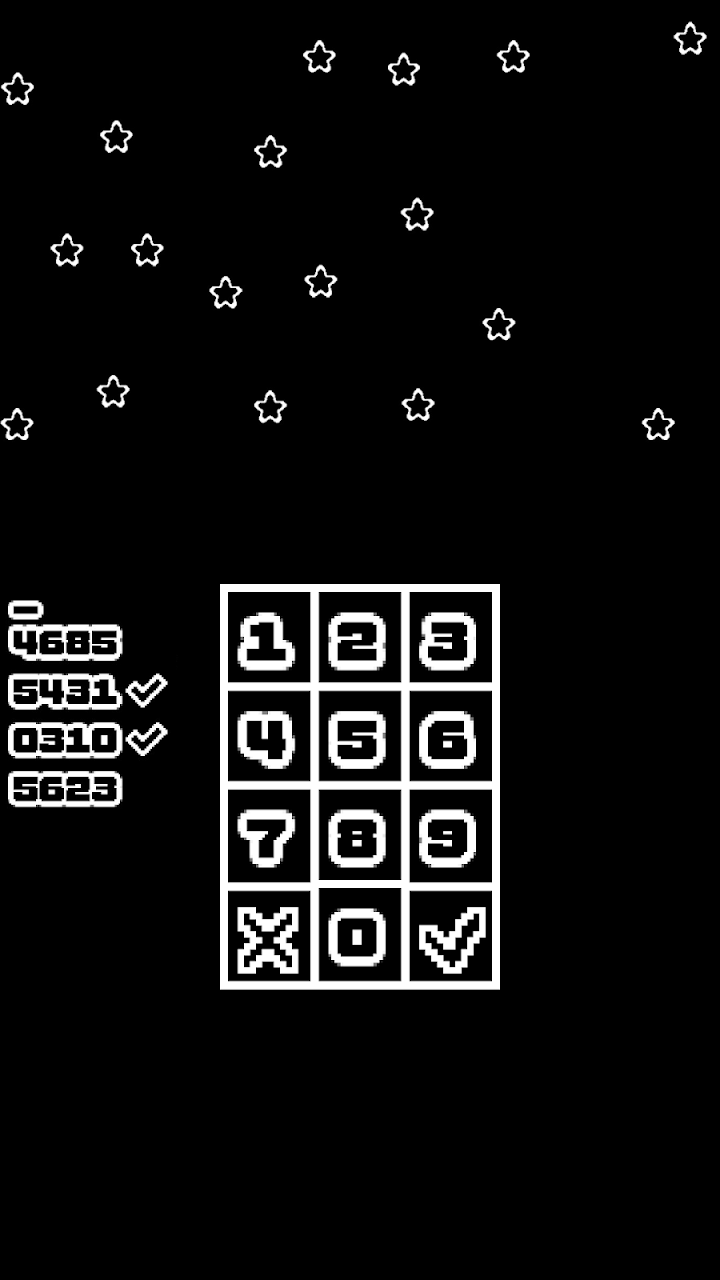
About What's the Password?
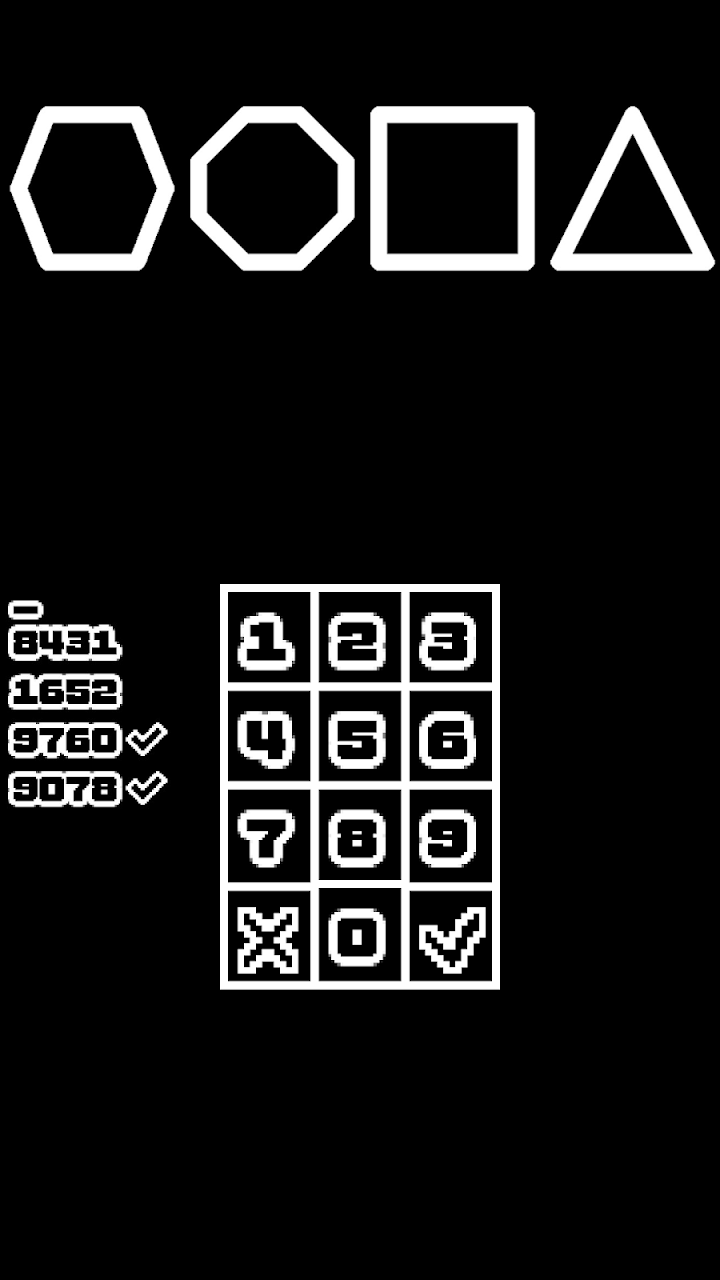
What's the Password? is a minimalist puzzle game from TrampolineTales in which you decode four-digit passwords. The listing says it contains over one hundred puzzles, can be completed in about two hours and uses black and white graphics designed to be easy on the eyes. Puzzle solutions are randomised for extra replayability, optional hints are available for difficult puzzles and achievements reward progress. The official description is short, so this page explains how code-breaking puzzles generally work and shares strategies that can help you enjoy the game more.
How code-deduction puzzles work
In a four-digit password puzzle, you are given clues that restrict which digits are possible. Typical clues state that a certain digit is in the correct position, that a digit is correct but in the wrong place, or that none of the digits in a guess belong in the answer. Your task is to combine these clues until only one code remains. The satisfying moment comes when a few apparently unrelated clues suddenly fit together, which the listing describes as the "aha" feeling.
Start with elimination
The strongest first step is to remove digits that cannot appear. If a clue says that none of its digits are correct, strike all of them off your list immediately. This simplifies the problem more than any other move. Once you have a smaller set of possible digits, look for clues that share digits and compare them directly.
Work position by position
Treat each of the four positions separately. For each position, list the digits that could still be valid. A clue that places a digit correctly in one spot tells you not only where it belongs but also that it cannot belong anywhere else. Writing the possibilities down, even on paper, helps you avoid contradictions.
Use contradictions to your advantage
If two clues cannot both be true for a given digit, one of your assumptions is wrong. Test one assumption at a time and follow its consequences. If it leads to an impossible situation, you have learned something useful. This approach, sometimes called proof by contradiction, is the most reliable way to solve harder puzzles.
Replayability and hints
Because solutions are randomised, replaying a puzzle can give a new challenge, which makes the game more durable than a fixed set of 100 answers. Hints are optional, so use them when you are truly stuck, but give yourself a fair attempt first. A good rule is to take a break rather than request a hint immediately; returning with a fresh mind often reveals the missing step.
Presentation
The black and white style keeps the focus on the logic and reduces distractions. This is useful for evening play, and it keeps battery use low. The short length makes it a good game to finish in a couple of sittings.
Who will enjoy it
Logic puzzle fans, people who like Mastermind-style games and anyone who enjoys a short, focused challenge will find it satisfying. If you want a story or long progression, this will feel brief.
Before you download
The files are never hosted here. Use the download button to open the official store page and check the current version, size and device requirements first. This page is an independent guide and is not affiliated with the developer.